News

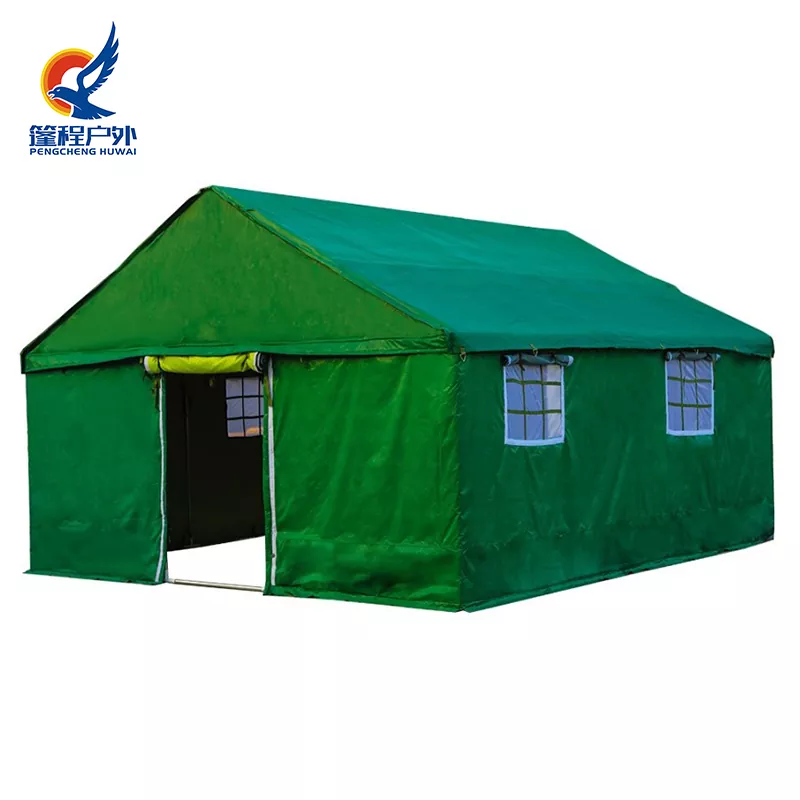
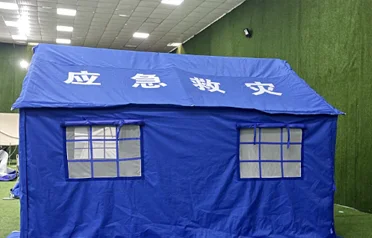
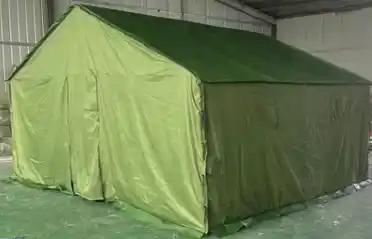
How to maintain disaster relief tents in summer? A summary of scientific maintenance techniques and common misconceptions from professional outdoor testing by Tent Journey.

2026-06-12 0 Leave me a message


Summer high temperatures, heavy rains and high humidity easily lead to aging fabrics, peeling waterproof coatings and rusty metal frames of disaster relief tents, greatly affecting emergency performance and service life. To solve the common loss problem caused by irregular maintenance, Pengcheng Outdoor Products Co., Ltd. has launched a standardized summer maintenance plan for disaster relief tents based on real scene tests and frontline disaster relief experience.As a professional manufacturer of national standard disaster relief tents, Pengcheng Outdoor owns a complete set of production, testing and after-sales systems. All maintenance methods are verified by real data and practical cases, providing reliable and actionable guidance for emergency material storage.

Real Test Data: Risks of Improper Summer Maintenance

A 30-day summer simulation test proves that improper maintenance causes a68% damage rate for disaster relief tents. Tents exposed to long-term sunlight see 32% lower waterproof performance and 27% reduced fabric toughness, while damp sealed storage leads to mildew and rust in 15 days. Company data shows that unreasonable summer maintenance accounts for 72% of annual tent scrapping, becoming the top cause of equipment loss.

Standard Summer Maintenance Solutions for Disaster Relief Tents

1. On-site Usage Protection

Avoid prolonged strong sunlight exposure to prevent UV coating damage. After rain, clear up ponding and seam condensation to avoid fabric deformation and mildew. Keep disaster relief tents away from sharp objects, open flames and corrosives. Timely repair minor damage to prevent further deterioration.

2. Scientific Post-use Cleaning

Only clean with neutral detergent and soft cloth. Machine washing, high-temperature drying and strong corrosive cleaners are strictly prohibited to protect waterproof coatings. Tents must be fully air-dried in cool and ventilated areas before storage. All metal accessories need separate drying treatment to prevent rust and adhesion.

3. Standardized Warehousing Management

Store idle disaster relief tents in a stable environment of 20-28℃ and 40%-60% humidity. Fold tents flat and place desiccants for moisture resistance. Store tent fabrics and metal parts separately. Conduct monthly inspections and regular waterproof coating maintenance to ensure emergency readiness at all times.

Common Maintenance Mistakes to Avoid

Three typical wrong operations easily shorten the service life of disaster relief tents. Direct sunlight dehumidification will destroy waterproof layers; damp storage causes irreversible mildew; hard brushing wears out protective coatings.

Professional Technical Support

Pengcheng Outdoor adopts an integrated “product + maintenance” service model. We continuously optimize seasonal maintenance standards through real tests, helping emergency units reduce equipment loss and guarantee reliable performance of disaster relief tents in disaster rescue and emergency support scenarios.


Related News
Leave me a message
X
We use cookies to offer you a better browsing experience, analyze site traffic and personalize content. By using this site, you agree to our use of cookies.Privacy Policy
RejectAccept