News

Technology Empowers Rescue, Builds Lifesaving Barrier

2026-01-11 0 Leave me a message

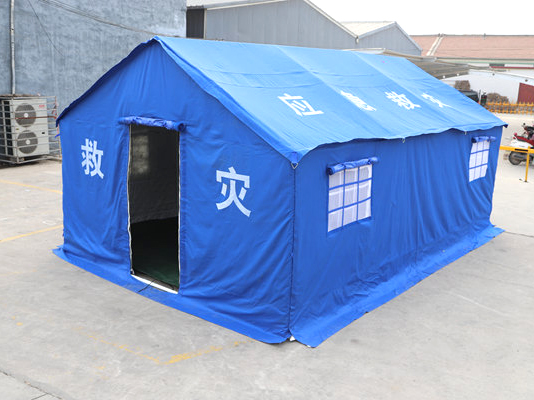
Quickly set up, seize the time. Single-person operation breaks the bottleneck. At disaster sites, time is life. Traditional support tents often require 2-3 people to collaborate and take more than 30 minutes to complete the setup. However, the emergency disaster inflatable tent completely breaks this limitation. Based on the principle of air pressure support, simply unfold the main body of the tent, connect an electric or manual inflation pump, and a single person can complete the inflation and shaping within 3-10 minutes. Then, by fixing the corners with ground nails, it can be put into use immediately. "Previously, it took several people a long time to set up one tent. Now, a person can handle it in just a few minutes. In areas with scarce manpower, this advantage is extremely crucial." A firefighter who has long participated in frontline rescue operations admitted. What's more noteworthy is that the tent is also easy to pack up and deploy. After deflating, it can be folded quickly, significantly improving the turnover efficiency of rescue supplies.

Portable and easy to carry, suitable for all areas. Disasters often lead to traffic disruptions, and the transportation of supplies to remote disaster areas becomes a problem. The emergency disaster inflatable tent adopts a lightweight design. When folded, it is small in size and weighs only 1/3 of that of traditional support tents. Not only can it be easily loaded into ordinary vehicles for transportation, but it can also adapt to various transportation methods such as air drops, manual transportation, etc., and perfectly fits complex terrains such as mountains, muddy areas, and ruins. In multiple disaster rescue operations such as the earthquake in Ludian, Sichuan Province and flood control in the Yangtze River Basin, the inflatable tent arrived quickly through air drops to the areas with disrupted transportation, and immediately set up temporary shelters for the affected people, solving the core problem of "materials not being able to reach".

Hardcore protection against extreme values, stable root establishment in all temperature environments. The disaster site environment is harsh, with strong winds, heavy rain, extreme temperature differences, etc., testing the reliability of temporary accommodation facilities. The emergency disaster relief inflatable tent uses high-strength PVC coated fabric or 600D Oxford fabric and other high-quality materials. Through high-frequency heat bonding technology, it achieves a fully sealed design, with a waterproof base more than 150mm higher than traditional tents, effectively resisting rainstorms and preventing water from seeping in. Its air column structure has been scientifically optimized, with an anti-wind grade of up to 8 levels. It can maintain good airtightness for 7 days without frequent inflation; the double-layer tarpaulin's insulation design enables it to be used stably in extreme temperature ranges of -30℃ to +70℃. Whether it is snow disaster rescue in high-altitude areas or desert rescue in high temperatures and direct sunlight, it can provide stable and comfortable environments for the personnel inside.

Multi-functional and adaptable for all scenarios, with flexible and efficient space utilization. Compared to the limitations of traditional tents with numerous internal supports, the emergency rescue inflatable tent adopts an unsupported design, providing a completely open interior space. It can be flexibly divided into functional areas according to rescue needs, serving as a temporary shelter for the affected population, as well as a temporary medical point, disaster relief command center, and material transfer warehouse, among other key locations. In medical rescue scenarios, the open interior space can easily accommodate stretchers and medical equipment, allowing for time to be gained for treating the injured; when serving as a command center, it can accommodate conference tables and communication equipment, ensuring the efficient transmission of rescue instructions. Some models also support modular expansion, by connecting multiple tents to form a "tent cluster", which can meet large-scale accommodation needs and even be transformed into temporary schools or community centers, helping to ensure basic public service guarantees during the transitional period after the disaster.

Technological upgrades enhance security, intelligent empowerment makes it more reliable. With technological advancements, the intelligence level of emergency rescue inflatable tents has been continuously improving. The "Intelligent Pressure Replenishment and Pressure Stabilization Device" developed by the Fire Rescue Brigade of Xiangyang City, Hubei Province, uses built-in high-precision sensors to monitor the pressure of the tent in real time. When the pressure drops below the threshold, it automatically starts replenishing air, and stops automatically when the pressure returns to normal. This enables 72-hour unmanned值守, completely solving the problem of the need for frequent air replenishment by dedicated personnel in traditional inflatable tents, liberating rescue personnel from repetitive tasks and allowing them to focus on core rescue tasks. In addition, the integration of intelligent modules such as solar power supply systems and automatic temperature and humidity regulation has further enhanced the adaptability of the tents in the absence of power supply and extreme environments, making rescue guarantees more accurate and efficient.


Related News
Leave me a message
X
We use cookies to offer you a better browsing experience, analyze site traffic and personalize content. By using this site, you agree to our use of cookies. Privacy Policy
Reject Accept