News

Emergency relief tents strengthen the defense line for safeguarding lives

2026-01-11 0 Leave me a message

The core requirements for emergency rescue tents are "quick response and stable guarantee". Traditional inflatable tents often collapse due to hidden leaks and require frequent manual inflation, consuming precious rescue manpower. To address this issue, the Xiangyang Fire Rescue Brigade independently developed the "Intelligent Inflatable Tent Pressure Stabilization and Charging Device", which achieved a breakthrough. It integrates pressure sensing, automatic inflation, and intelligent pressure stabilization functions. It is equipped with high-precision sensors that can monitor pressure changes in real time. When the pressure drops below the threshold, it automatically inflates, and stops automatically after recovery, achieving full-automation operation without human on duty. This device is powered by lithium batteries, is small in size and light in weight, and is independent of fixed power sources. During a 72-hour continuous test, the tents connected to the device maintained structural stability, effectively filling the technical gap in portable inflatable equipment.

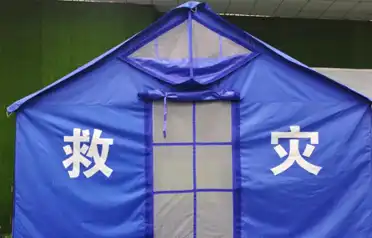
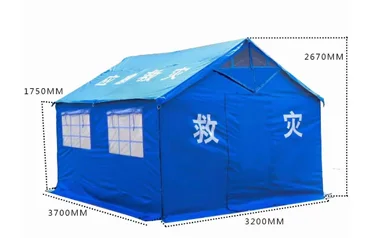
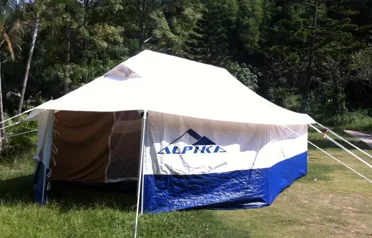
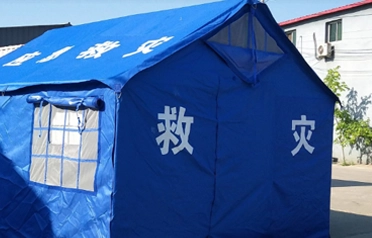
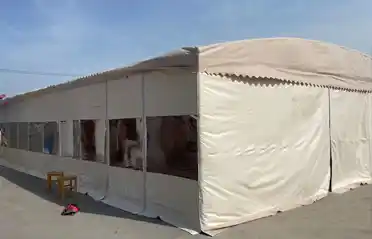
In addition to the intelligent technology, the new emergency rescue tents have achieved comprehensive enhancement in basic performance. Taking the mainstream 10-person large-scale rescue tent as an example, it generally adopts modular design and pre-assembled support structures. Two to three people can complete the setup in 15 to 30 minutes through collaboration. After disassembly, it can be compressed and stored, weighing between 20 and 30 kilograms, and is compatible with various transportation tools such as rescue vehicles and helicopters. In terms of materials, high-density Oxford fabric, encrypted PVC coating, and other high-quality fabrics are widely used. Combined with heat-sealed seams, the waterproof level can reach above 5000mm, capable of withstanding medium to heavy rain for a long time. The high-strength aluminum alloy support structure is combined with thickened ground nails and wind-resistant ropes, able to withstand 8-10 level winds, and maintaining structural stability in extreme environments such as -40℃ low temperatures and high-temperature sun exposure.

Humanized design and multi-functional adaptability have become important directions for product upgrades. The internal height of tents generally ranges from 1.8 to 2.2 meters. Adjustable partitions are equipped to flexibly divide the sleeping area from the activity area. Some models also add independent storage compartments and dedicated wiring channels, balancing living comfort and electrical safety. Windows and doors are designed with a double-layer structure, featuring an outer layer that is waterproof and windproof, and an inner layer of breathable mesh fabric. Combined with sunshade canopies and drainage channels, they not only ensure ventilation and mosquito prevention but also effectively prevent rainwater from seeping in. To meet the needs of special groups, the door width is widened for wheelchair access. Special models for cold regions add insulation cotton layers, while products in hot regions are equipped with reflective coatings and breathable fabrics. The details demonstrate humanistic care.


Related News
Leave me a message
X
We use cookies to offer you a better browsing experience, analyze site traffic and personalize content. By using this site, you agree to our use of cookies. Privacy Policy
Reject Accept