News

The evolutionary path from battlefield shelter to intelligent support

2026-01-11 0 Leave me a message

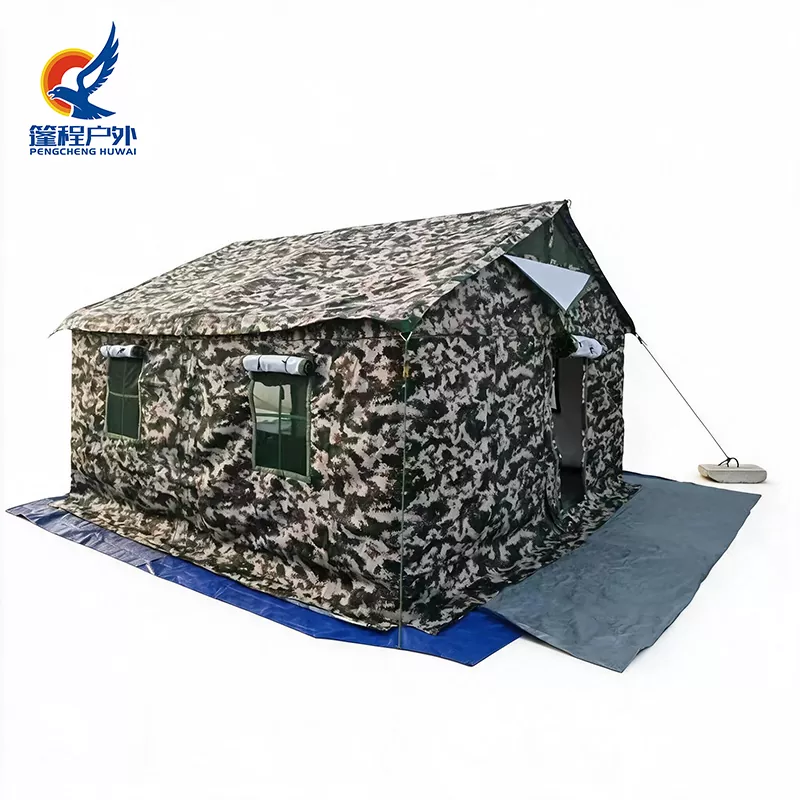
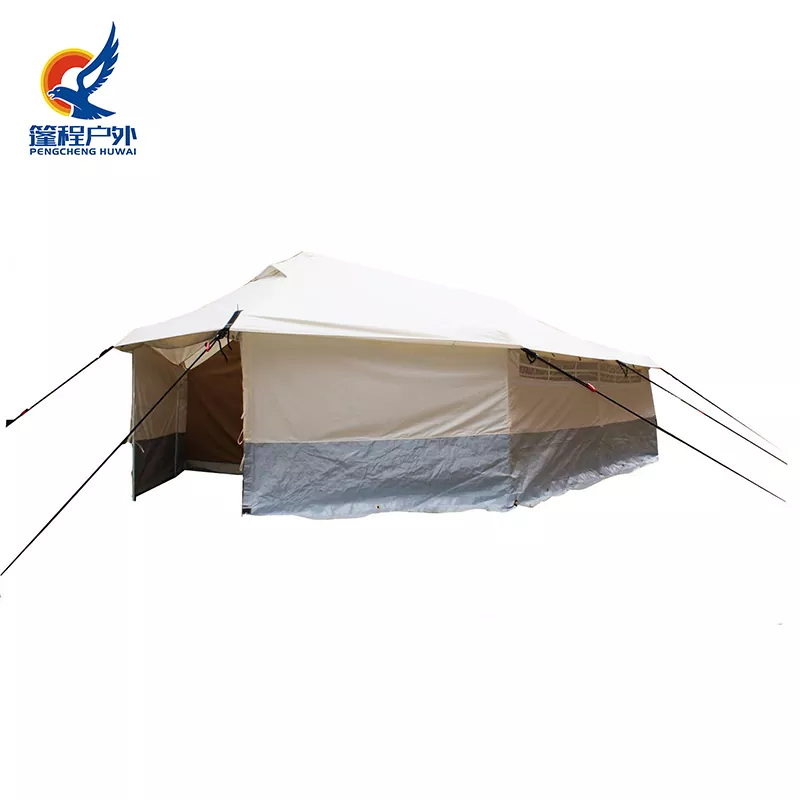
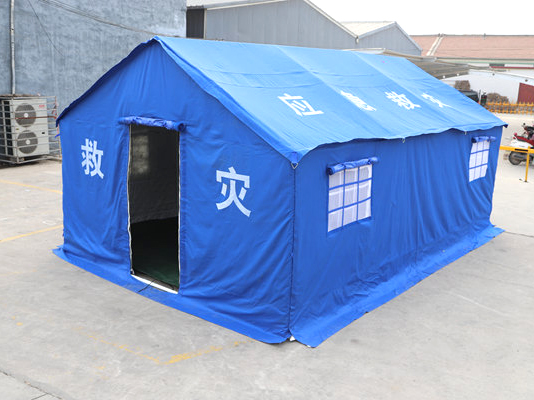
In the desolate border deserts, the smoke-filled training battlefields, and the disaster-stricken emergency rescue sites, military tents have always been the "mobile fortresses" for soldiers and rescue personnel. With the continuous breakthroughs in military technology, today's military tents have broken away from the single attribute of traditional sheltering tools and have achieved a comprehensive evolution in terms of material innovation, performance upgrade, and function expansion. They have become key supporting equipment integrating protection, mobility, and intelligence, providing solid support for diverse military tasks and emergency responses.

Extreme protection, creating a "safety barrier" in harsh environments. The core advantage of military tents lies in their extremely strong environmental adaptability, which stems from the selection of strict materials and the design of structures. The fabric uses 82% domestically produced aramid 1414 and other high-performance composite materials, which are treated with special flame retardant and anti-corrosion processes. It is not only wear-resistant and tear-resistant but also resistant to strong ultraviolet radiation. Even in the wild with thorny bushes or in hot deserts, it can maintain integrity. The frame uses 7075-T6 aerospace-grade aluminum and other lightweight and high-strength materials, combined with reinforced design, which can withstand the stability of the structure under 12-level wind force and easily cope with extreme weather such as snowstorms and strong sandstorms. Even it can withstand the shock waves generated by small explosions. What is more noteworthy is that some high-end models have anti-infrared reconnaissance and electromagnetic shielding functions. The surface thermal radiation rate is ≤0.28, which can effectively avoid enemy optical and electronic detection and at the same time meet the dust-sealing standard of IP54 or above. In complex battlefield environments, it builds a safety defense line for the internal personnel and equipment.

Highly mobile, adaptable for rapid deployment "tactical requirements". The suddenness of military operations demands that equipment possess extremely high mobility and deployment capabilities. Military tents have particularly prominent advantages in this field. Adopting a modular architecture of "basic cabin + functional expansion cabin", the general component rate reaches 85%, supporting rapid reconfiguration without tools within 5 minutes. It can be flexibly converted into different functional places such as command centers, medical rescue stations, and material storage rooms according to task requirements. For example, a certain type of individual tent only requires 2 soldiers to complete setup and dismantling within 5 minutes, with a readiness weight controlled within 185 kilograms, making it convenient for rapid mobility with the accompanying troops. And the large modular maintenance tent can also be deployed and debugged by 6 people within 15 minutes, with an efficiency increase of 40% compared to traditional models. This "ready-to-use, ready-to-remove" characteristic enables it to quickly establish a combat support system during field training, cross-regional training, and other tasks, allowing the troops to gain valuable time.

Intelligent upgrade, empowering modern battlefields "data nodes". Digital transformation is reshaping the functional positioning of military tents, upgrading them from mere physical shelter spaces to edge data nodes on the battlefield. By integrating infrared thermal imaging, vibration sensing, edge AI computing and AR remote diagnosis systems, military tents have established an "perception - decision - execution" intelligent closed loop. In 2025, the average fault diagnosis response time of pilot tents was reduced to 42% of the original time, and even in the event of a network outage, the diagnostic accuracy rate remained above 82%. The "intelligent maintenance cabin" deployed in the Zhilihe exercise pilot project achieved seamless integration of functions such as Beidou positioning, fault data upload, and remote expert consultation, significantly improving the efficiency of field emergency repairs. At the same time, the tents are equipped with various standardized interfaces inside, allowing for convenient connection of power supply, communication, temperature control and other equipment. Some high-end models also integrate high-voltage fast charging interfaces and liquid cooling battery replacement stations, precisely matching the support requirements of new energy military vehicles, becoming an important part of the intelligent logistics support system.


Related News
Leave me a message
X
We use cookies to offer you a better browsing experience, analyze site traffic and personalize content. By using this site, you agree to our use of cookies. Privacy Policy
Reject Accept