News

​How to Scientifically Maintain Disaster Relief Tents? Tangshan Pengcheng Teaches You Methods to Control Humidity and Dryness for More Durable "Mobile Shelters"

2026-05-15 0 Leave me a message


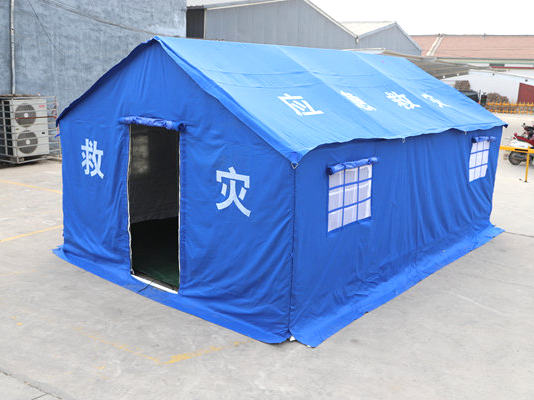
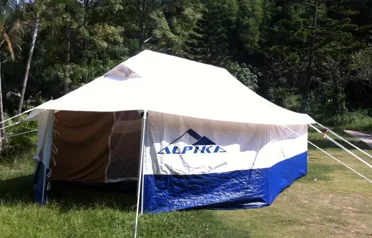
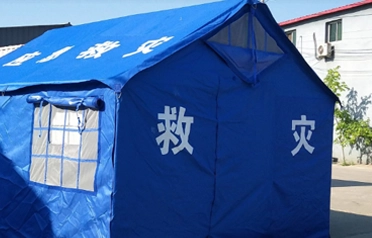
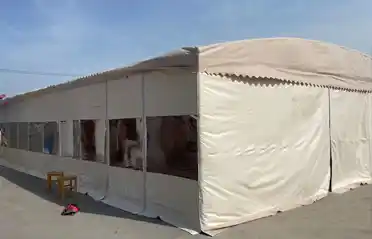
In emergency scenarios such as natural disasters and emergency rescue, disaster relief tents serve as "mobile shelters" protecting affected people and rescue personnel. Their stable performance directly affects the effectiveness of rescue and support work. Many emergency support units and users face a core question: How to scientifically maintain disaster relief tents and control the humidity of the storage environment to maximize their lifespan? Tangshan Pengcheng Outdoor Co., Ltd., drawing on years of industry experience, explains professional maintenance methods and storage standards to provide strong support for emergency support.


As a professional disaster relief tent manufacturer deeply rooted in the outdoor equipment field, Tangshan Pengcheng Outdoor Co., Ltd. understands the wear and tear characteristics of disaster relief tents in complex environments. Its disaster relief tents combine durability and practicality, and scientific maintenance methods can extend the tent's protective performance, further enhancing its emergency support value and facilitating the orderly conduct of rescue work.


I. Daily Use and Maintenance: Starting with Details to Avoid Potential Damage


Daily use and maintenance of disaster relief tents requires attention to detail to reduce damage from the source. During use, avoid scratching the tent fabric with sharp objects, keep it away from open flames and high-temperature equipment to prevent scorching and aging of the fabric. Do not pile heavy objects inside the tent to avoid deformation of the frame. Inspect the tent structure daily, promptly tighten loose tent pegs and guy lines, check for wear at frame connections and damage at tent seams, and repair any small damage immediately with waterproof patches to prevent rainwater and dust from seeping in and causing further damage. In addition, maintain ventilation inside the tent during use, and promptly clean up any accumulated water around the tent during rainy days to reduce the corrosive effects of a damp environment on the tent fabric and metal frame, extending the lifespan of components.


II. Cleaning and Storage After Use: Standardized Operations, Laying a Solid Foundation for Maintenance


Cleaning and storage after use are crucial steps in the maintenance of disaster relief tents, directly impacting their subsequent preservation. When cleaning, first use a soft-bristled brush to remove mud, sand, and debris from the tent fabric surface. Then, gently wipe with warm water and a neutral detergent. Avoid using strong acid or alkaline cleaners, as these can damage the waterproof coating and affect the protective performance. For metal frames, wipe away surface water and dust with a dry cloth. If rust is present, gently sand it and apply rust-preventative oil to prevent further corrosion. After cleaning, ensure thorough drying. Allow the tent to air dry naturally in a well-ventilated, shady place, avoiding direct sunlight which can cause fading and aging. Ensure the tent fabric and frames are completely dry before storage to prevent mold growth.


III. Storage Environment Control: Precise Humidity Control to Protect Tent Performance

As a professional disaster relief tent manufacturer, Tangshan Pengcheng Outdoor Co., Ltd., combining industry standards and practical application experience, has defined ideal storage standards for disaster relief tents, with humidity control being a core element.


Ideal storage conditions require a dry, well-ventilated, and cool warehouse with a temperature controlled between 5℃ and 25℃ and a relative humidity strictly controlled between 40% and 60%. This range effectively inhibits mold growth and metal component corrosion, preventing the tarpaulin from becoming damp, sticky, aging, and brittle, while also complying with relevant regulations for disaster relief material storage. During storage, the dried disaster relief tents should be neatly folded, avoiding pulling. The tarpaulin should be stored separately from metal frames, ground pegs, and other components, using dedicated storage bags to prevent metal parts from scratching the tarpaulin. Chemicals, sources of ignition, and sharp objects are prohibited in the warehouse. Tents should be placed on shelves or mats, away from ground moisture. Desiccant can be placed to aid dehumidification. The warehouse should be ventilated regularly, and the condition of the tents should be checked; any mold or damage should be addressed promptly.


Tangshan Pengcheng Outdoor Co., Ltd. reminds everyone that the maintenance of disaster relief tents is a systematic task that spans before, during, and after use. Scientific maintenance methods can not only extend the tent's lifespan and reduce emergency response costs, but also ensure that it is "ready to be deployed, usable, and reliable" in critical moments. As a reliable disaster relief tent manufacturer, the company will continue to provide professional product consultation and maintenance guidance to help various emergency response units effectively maintain and manage their disaster relief tents, thus safeguarding emergency rescue efforts.


Related News
Leave me a message
X
We use cookies to offer you a better browsing experience, analyze site traffic and personalize content. By using this site, you agree to our use of cookies.Privacy Policy
RejectAccept