News

How many workers are needed to erect disaster relief tents in emergency sites?

2026-10-20 0 Leave me a message

Meta DescriptionWondering how many workers are needed to erect disaster relief tents in emergency sites? Check labor requirements and setup time for frame and inflatable tent models in emergency deployments.

Final Full Article

Rapid deployment of disaster relief tents is a vital part of emergency response. These temporary shelters deliver safe living space for displaced communities after earthquakes, floods and other crises. The number of workers and total erection time directly determine how quickly affected residents can access secure accommodation. Required workforce varies widely, depending on tent structure, ground conditions, worker training and weather. Field data collected from emergency drills and real disaster response operations by Tangshan Pengcheng Outdoor Products Co., Ltd. follows international shelter industry best practices and provides practical guidance for teams planning temporary settlement sites.

Labor and erection timeline for traditional frame disaster relief tents

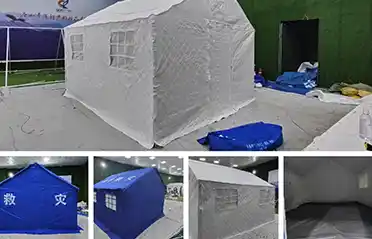
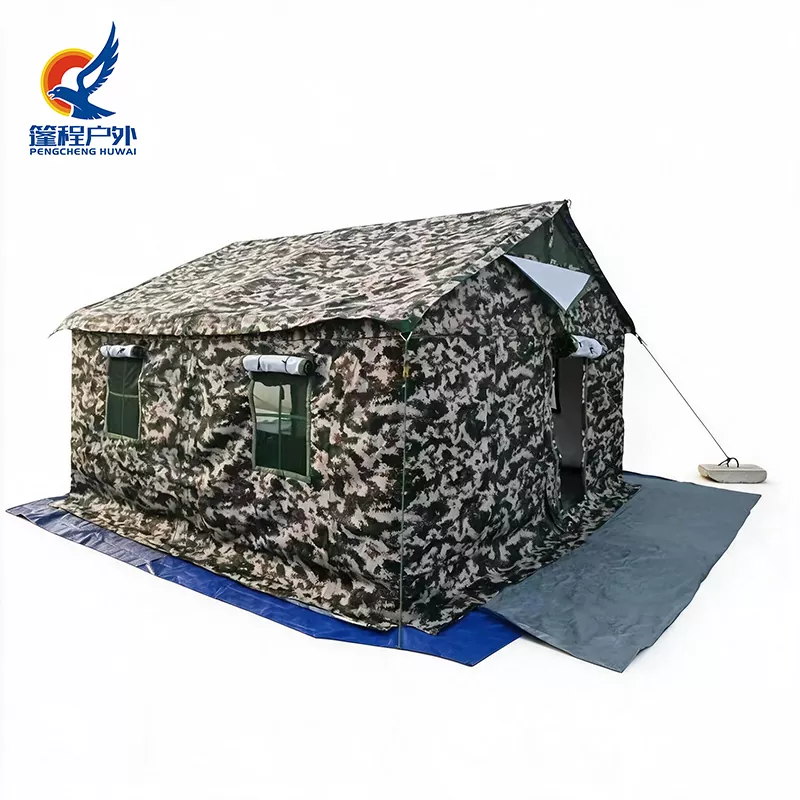
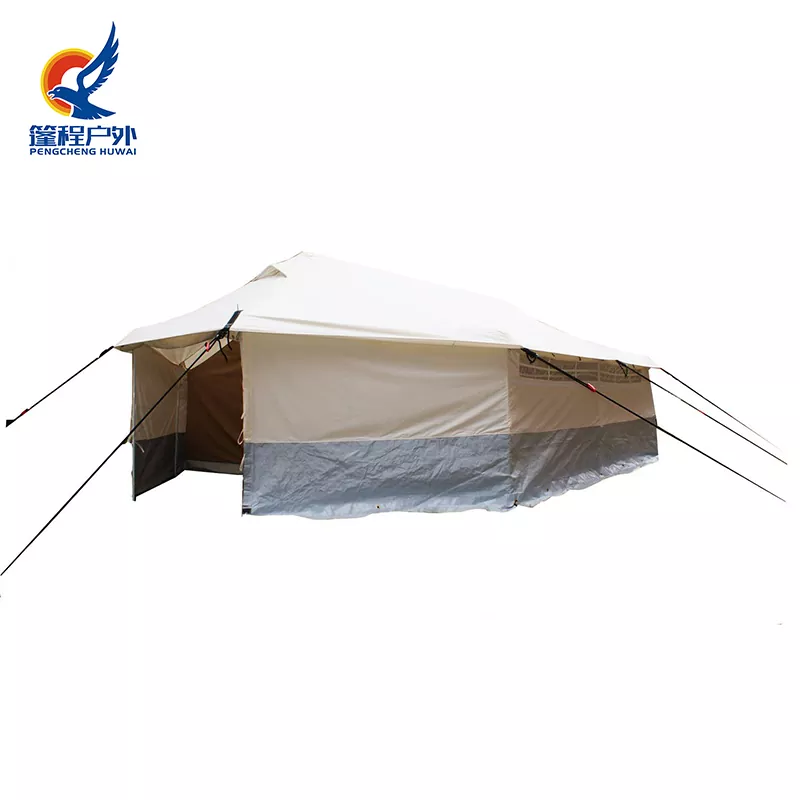
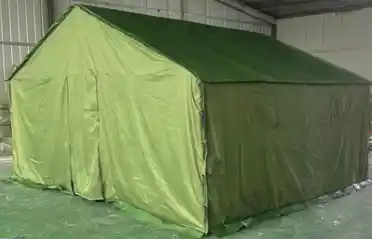
Standard 12-square-metre frame remain widely used for emergency resettlement. A team of 3 to 4 trained workers can finish the full erection workflow: site clearing, frame assembly, canopy laying, ground nail and wind rope securing. Under favourable weather, the whole process takes roughly 30 to 45 minutes.

Teams lacking hands-on practice spend extra time fitting parts and aligning frames. Erection for one unit can extend past 60 minutes. Larger 20-square-metre or bigger frame tents need 4 to 6 workers, with total erection time between 60 and 90 minutes.

Frame-style shelters include many metal components. Crews expend significant physical effort moving steel tubing and assembling supports. Muddy terrain, strong winds and night work reduce erection speed, often requiring extra staff for ground levelling and wind reinforcement.

Labor and erection timeline for inflatable disaster relief tents

Inflatable emergency shelter tents have grown into common emergency stock in recent years, removing complex frame assembly work. For tents of comparable usable area, 2 to 4 workers with an electric air pump can complete installation. In normal weather, one tent can be erected in 10 to 25 minutes.

Inflatable tent kits are lighter and easier to transport, fitting remote disaster zones with limited road access and scarce manpower. Operators must understand proper air pressure control and corner anchoring. Poor inflation or loose ground nails will reduce the tent’s wind resistance.

Core factors influencing tent erection efficiency

Single-tent erection time is only a baseline metric. When constructing large temporary settlements, crews must complete pre-site preparation in advance. Low-lying ground, rocks and standing water demand levelling work; inadequate site prep often causes repeated adjustments during tent setup and fixing.

Work organisation also shapes overall progress. Skilled emergency teams split tasks across groups. Logistics staff unload supplies and sort tent accessories. Erection crews unfold and assemble canopies. Inspectors fasten ground hardware and carry out safety checks. This organised workflow speeds up mass deployment.

Weather is another key variable. Clear, calm conditions deliver the best working efficiency. Rain, cold temperatures and high winds slow erection and drain worker stamina. Extra staff are required for wind reinforcement. Night operations also need lighting and backup personnel.

Practical recommendations for emergency planning

Emergency agencies may calculate staffing needs by tent type when drafting response plans, maintaining stock and running regular training. Settlement planners should avoid relying solely on ideal-case minimum timelines. Time buffers are necessary for poor weather and less experienced crews.

Regular hands-on drills help teams lock in fixed work divisions. Knowing component identification, fast assembly and wind anchoring reduces on-site errors and cuts waiting time for affected people. During batch erection, commanders can split workers into multiple parallel teams. Rotating shifts prevent performance loss caused by continuous heavy manual labour.

Emergency response is time-sensitive. Careful workforce planning and realistic timeline estimates get temporary shelters operational faster, protecting basic living conditions for disaster-impacted communities. Tangshan Pengcheng Outdoor Products Co., Ltd. continues to share this practical on-site knowledge to support global emergency shelter planning.

Related News
Leave me a message
X
We use cookies to offer you a better browsing experience, analyze site traffic and personalize content. By using this site, you agree to our use of cookies. Privacy Policy
RejectAccept