News

How can disaster-relief tents remain functional for extended periods amidst heavy rain, high winds, and cold snaps? And how do they differ from standard camping tents?

2026-10-26 0 Leave me a message


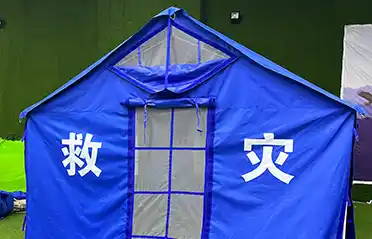
In the aftermath of a disaster—whether it be flooding, an earthquake, or a situation requiring field operations—there is often an urgent need to establish long-term living spaces within hours. The tents used in such scenarios are fundamentally different from the lightweight camping tents that backpackers might carry in their gear. Tangshan Pengcheng Outdoor Products Co., Ltd., based in Tangshan, Hebei, specializes in the long-term production of tents and shelters that meet national procurement standards for disaster relief. This article examines the differences between disaster-relief tents and standard camping tents across several key dimensions—materials, wind resistance, waterproofing, model selection, and factory quality inspection—to assist procurement teams in evaluating their specific requirements.

I. Material Differences: Disaster-Relief Tents vs. Standard Camping Tents

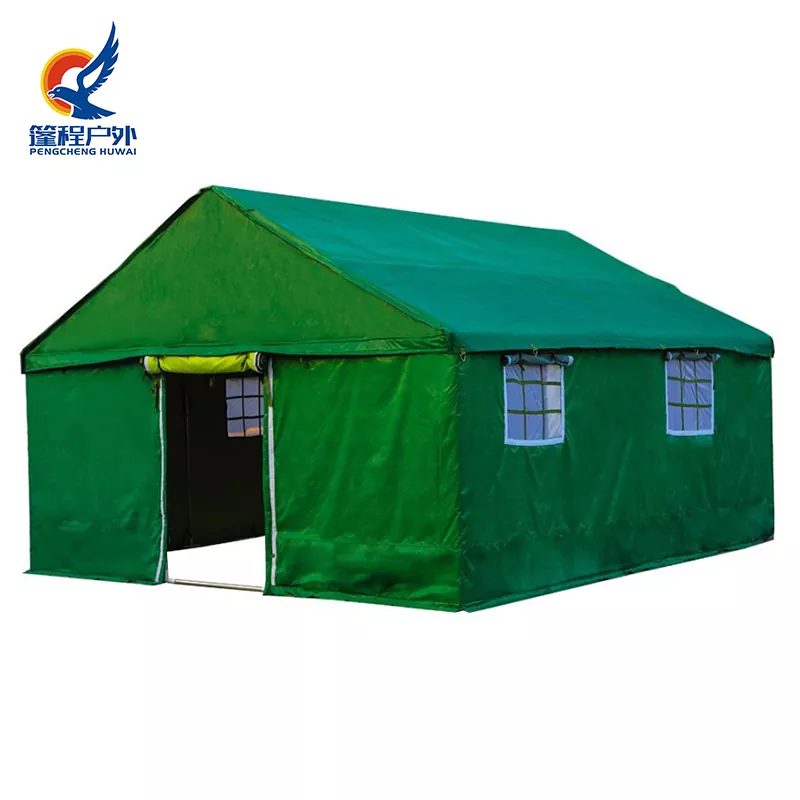
Many military-style tents available on the market feature a main body made of pure cotton canvas, with a roof covered in waterproof rubberized fabric or PVC-coated Oxford cloth. Some batches utilize PVC-grid fabric, while upgraded versions employ specialized PVC-coated Oxford cloth. The structural framework consists of rust-resistant, galvanized circular steel tubing, which prevents the metal from corroding and becoming brittle in damp environments. These material combinations are dictated by established technical specifications for disaster-relief procurement rather than being chosen arbitrarily by the manufacturer. When procuring these items, buyers should verify details such as the fabric’s weight (gsm), the wall thickness of the steel tubing, and the quality of the weld seams.

II. Wind Resistance and Durability in Harsh Environments

Disaster-relief tents are typically designed with large, ventilated windows. The seams are joined using high-strength bonding techniques, and the structures are equipped with galvanized, rust-resistant anchor rings. When paired with guy lines, these features significantly enhance the tent's overall stability and wind resistance. In challenging regions—such as those prone to high winds, sandstorms, or extreme temperature fluctuations—these tents can withstand severe weather, providing a stable living environment for occupants. Furthermore, certain multi-purpose cotton tents include an additional thermal insulation layer, making them suitable for colder seasons. This ensures that those inside remain reasonably comfortable throughout the night, eliminating the need for extra cold-weather bedding or blankets. III. Waterproof and Moisture-Proof Design: Keeping the Interior Dry

These tents isolate the interior space from the external environment. Both the roof and the main body are manufactured to meet rainproof standards, with all seams tightly sealed. Openings—such as those around windows, doors, and wall junctions—are typically secured with Velcro rather than left exposed, effectively preventing moisture and rainwater from entering. This design protects personal belongings from dew or rain and ensures the interior remains relatively dry even during prolonged periods of wet weather, preventing bedding and documents from becoming damp or moldy.

IV. Specifications and Selection: Matching Equipment to Operational Needs

These tents are produced according to established specifications and standards. Purchasers can also order complementary supplies, such as single cots for disaster relief. Depending on the specific requirements of a disaster relief mission or field operation, users can choose between single-layer tents—ideal for warmer seasons or scenarios requiring high ventilation—and insulated (cotton-lined) tents, which are better suited for cold environments or long-term deployments. Selecting tents based on the specific operational context ensures that the equipment aligns with on-site needs, eliminating the need for subsequent redeployment. Common multi-person tent models can be evaluated based on three key parameters: occupancy capacity, interior headroom, and the total footprint when set up.

V. Quality Assurance at Tangshan Pengcheng

Disaster relief tents are built to engineering standards closer to those required for long-term habitation than standard recreational camping tents. They are subject to more rigorous manufacturing requirements and systematic quality sampling, resulting in consistent durability. Industry data indicates that, when used in similar environments, these tents generally offer a longer service life than standard camping tents. In certain challenging conditions where standard tents would be inadequate, models meeting disaster relief standards are essential. Tangshan Pengcheng Outdoor Products Co., Ltd. adheres to established production standards and conducts batch-based quality sampling. Purchasers may contact the manufacturer directly to obtain detailed specification sheets and information regarding delivery timelines.

Related News
Leave me a message
X
We use cookies to offer you a better browsing experience, analyze site traffic and personalize content. By using this site, you agree to our use of cookies. Privacy Policy
RejectAccept