News

Pengcheng Outdoor: A Guide to Selecting Disaster Relief Tents

2026-03-27 0 Leave me a message

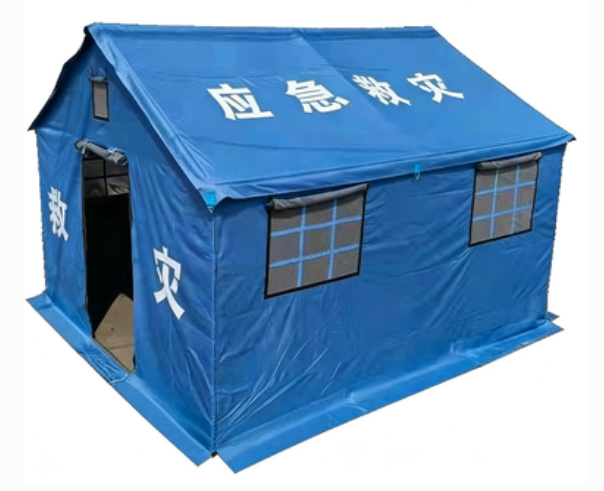
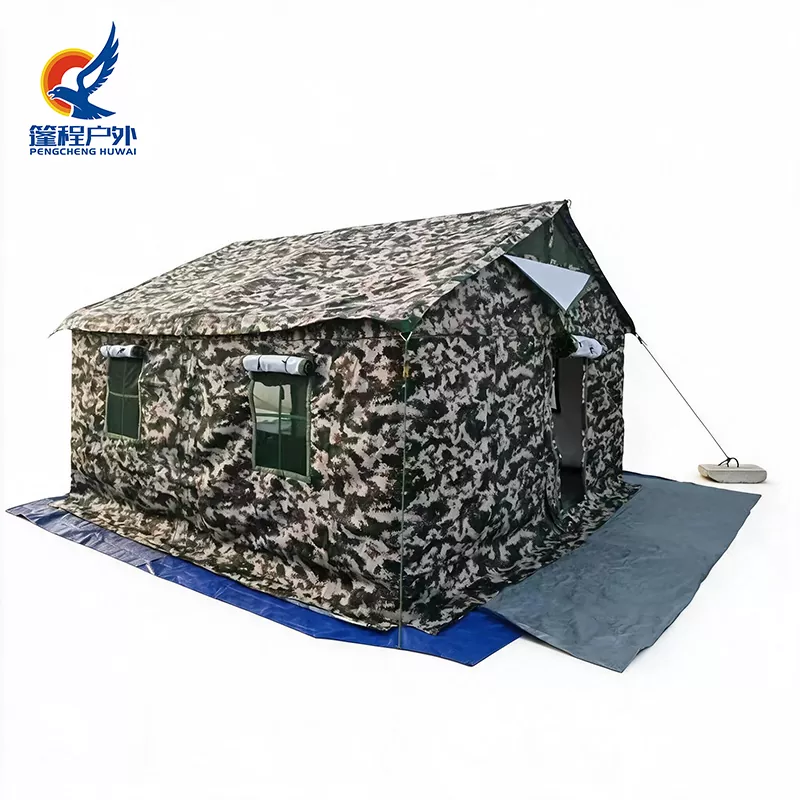
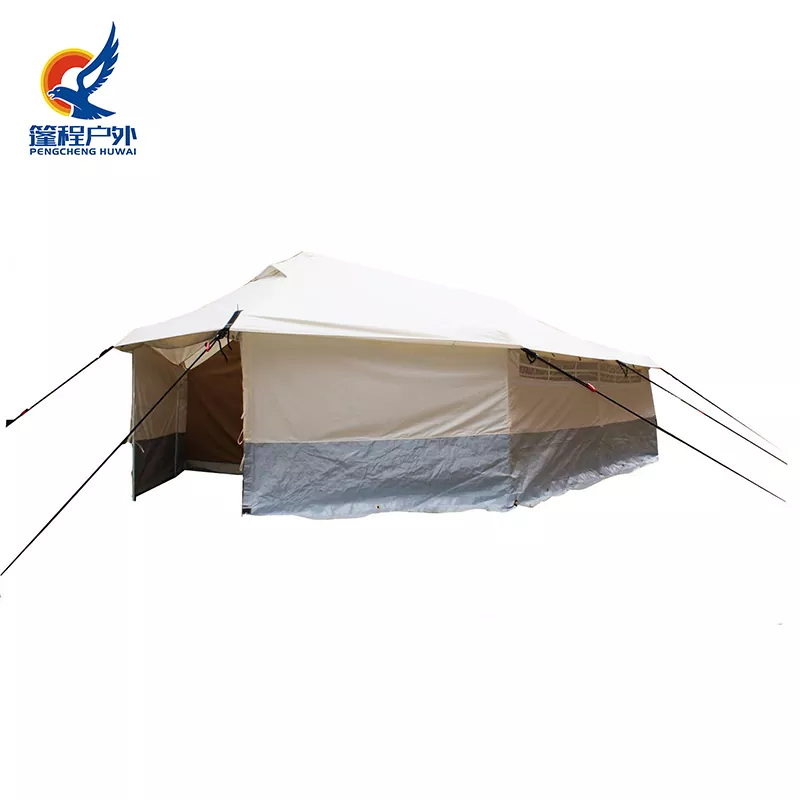
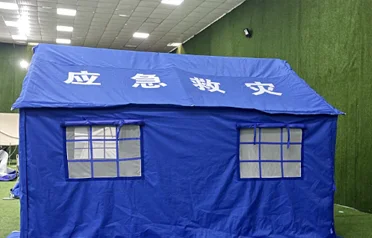
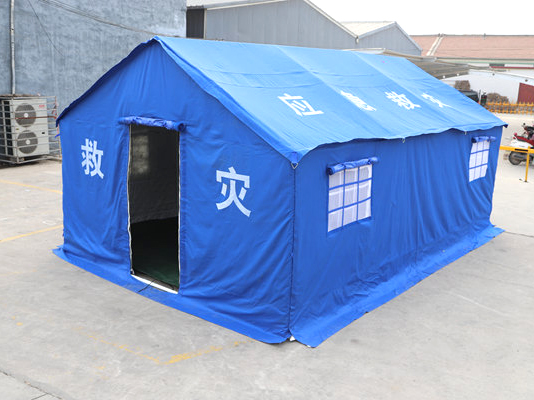
The quality of disaster relief tents directly impacts the safety of affected populations and the efficiency of emergency response operations. Tangshan Pengcheng Outdoor—a company deeply rooted in the outdoor equipment sector—draws upon its extensive R&D and manufacturing experience, as well as its track record of official government collaborations, to share key criteria for selecting disaster relief tents.

Tangshan Pengcheng Outdoor integrates design, R&D, manufacturing, and sales operations. With five major production and warehousing bases, the company boasts substantial daily production capacity and exports its products to numerous countries; consequently, its selection guidelines are both authoritative and highly practical.


Key Selection Criterion 1: Verify Qualifications and Compliance. High-quality disaster relief tents must adhere to relevant quality and environmental management requirements, strictly complying with applicable national and industry standards. Furthermore, it is essential to verify the manufacturer's corporate credentials, relevant technical patents, and authoritative third-party inspection reports, with a particular focus on key indicators such as the flame retardancy of the tent fabric and the structural strength of the support frame.


Key Selection Criterion 2: Strictly Vet Materials. For the support frame, prioritize high-strength galvanized steel or aerospace-grade aluminum alloy for their corrosion resistance and resistance to deformation. For the tent fabric, select high-performance polymer composite materials or PVC-coated Oxford cloth; these materials must possess properties such as superior waterproofing (rated at PU3000mm or higher), flame retardancy, and tear resistance. Additionally, all seams must undergo specialized waterproofing treatment to ensure rain protection.


Key Selection Criterion 3: Focus on Structural Design and Functional Suitability. Opt for a modular design that allows for rapid assembly—typically within 15 minutes by a team of 2–3 people, or within 3–5 minutes for inflatable models. Ensure that frame connections are secure and tight, and that the tent is equipped with an ample supply of guy ropes and ground stakes. The interior should feature a ventilation system, and—for certain applications—the design should allow for the interconnection of multiple tent units. Finally, ensure that the dimensions and specifications of the tent align precisely with actual operational requirements.


Key Selection Criterion 4: Evaluate Corporate Strength and After-Sales Support. Prioritize manufacturers with multiple production bases and sufficient daily output capacity to guarantee rapid delivery. The manufacturer must provide comprehensive after-sales support services—including technical troubleshooting and the supply of spare parts—and preference should be given to companies with a proven track record of successful procurement partnerships with government or official agencies.


Tangshan Pengcheng Outdoor affirms its commitment to the continuous R&D of high-quality emergency tents tailored to various disaster scenarios, leveraging its robust corporate capabilities to provide reliable equipment support for emergency rescue and relief operations.


Related News
Leave me a message
X
We use cookies to offer you a better browsing experience, analyze site traffic and personalize content. By using this site, you agree to our use of cookies. Privacy Policy
Reject Accept